
What Is Poultry Immunity?
Immunity is the body's natural defense system that helps birds recognize and respond to potentially harmful pathogens and other health challenges. In broiler chickens, a properly functioning immune system plays an important role in maintaining overall health, supporting normal growth and helping birds cope with the different challenges they may encounter during the production cycle.
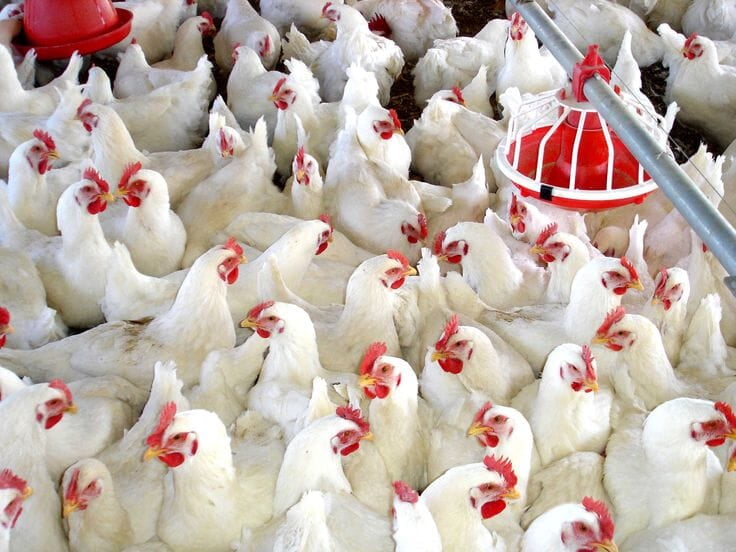
A broiler flock is exposed to many factors throughout its life. These may include vaccination, transportation, changes in temperature, heat stress, poor ventilation, wet litter, ammonia, nutritional imbalance, poor water quality, high stocking density and exposure to infectious agents. When several of these challenges occur at the same time, birds can experience additional stress, which may affect their overall health and performance.
Immune health is not controlled by a single factor. It is closely connected with nutrition, gut health, water quality, environmental management, biosecurity, genetics and stress management. Therefore, supporting immunity should be considered part of an overall flock-health management program rather than relying on one intervention alone.
The objective of good poultry management is to provide birds with the conditions they need to maintain normal immune function. This includes providing balanced nutrition, clean drinking water, appropriate temperature and ventilation, good litter management, effective biosecurity and a vaccination program developed with appropriate veterinary guidance.
Why Is Immune Health Important in Broiler Chickens?
A healthy immune system is an important component of successful broiler production. Broilers are selected for rapid growth, which means they experience significant physiological changes throughout their relatively short production cycle. Maintaining suitable environmental and management conditions is therefore important for helping birds cope with these demands.
When birds experience excessive or prolonged stress, their normal physiological balance can be disturbed. Factors such as heat stress, poor ventilation, high ammonia, overcrowding, poor litter conditions, inadequate nutrition and disease pressure can all contribute to flock-health challenges.
Good immune health should be considered alongside other important production factors such as feed intake, water consumption, growth, flock uniformity, litter condition and overall bird behavior.
Farmers should therefore focus on identifying and reducing avoidable stressors rather than looking at immunity in isolation.
1. Nutrition
Adequate nutrition provides birds with the nutrients required for normal growth, development and physiological functions. Nutritional imbalance or poor feed quality can affect overall bird health.
2. Water Quality
Water is one of the most important inputs in poultry production. Poor-quality or contaminated drinking water can affect water intake and may contribute to flock-health challenges. Regular monitoring and appropriate water-management practices are therefore important.
3. Heat Stress
High temperatures can place considerable stress on broiler chickens. During hot weather, farmers should pay particular attention to ventilation, cooling, water availability, stocking density and bird behavior.
4. Ventilation
Proper ventilation helps manage temperature, humidity, dust and gases inside the poultry house. Poor ventilation can contribute to excessive ammonia and poor air quality, creating additional stress for birds.
5. Litter Condition
Wet or poorly managed litter can create an unfavorable house environment. Maintaining appropriate litter moisture and removing problem areas can help improve overall farm hygiene.
6. Disease Pressure
Exposure to infectious agents can place additional demands on the bird's immune system. Biosecurity, hygiene, vaccination and early identification of health problems are important components of preventive management.
7. Stress
Stress can result from many sources, including temperature changes, handling, transportation, overcrowding, poor environmental conditions and nutritional challenges. Reducing avoidable stress is an important part of maintaining flock health.
How Does Stress Affect Poultry Health?
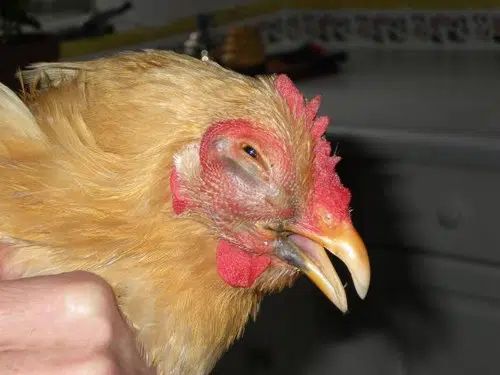
Stress is a normal biological response, but prolonged or excessive stress can negatively affect bird well-being and performance.
In broiler production, common stressors include:
- Heat and cold stress
- Poor ventilation
- High ammonia
- Wet litter
- Overcrowding
- Transportation and handling
- Sudden environmental changes
- Nutritional challenges
- Disease pressure
A good farm-management program should therefore identify the major stressors affecting the flock and address them at their source.
Bactoseal's Approach to Poultry Health
At Bactoseal, we focus on practical, science-based approaches to poultry health and farm management. Our approach considers the complete production environment—including nutrition, gut health, water, litter, biosecurity, environmental stress and disease pressure.
Rather than looking at a single factor in isolation, our objective is to help poultry farmers identify the underlying management challenges affecting their flock and select appropriate solutions according to the specific farm situation.